WHY COMMUNITY MATTERS MORE AS WE AGE
By 2030, the UK is expected to become what researchers describe as a “super-ageing society”, with more than 20% of the population aged over 65. As this shift continues, one thing is becoming clear: community plays a vital role in helping people age well.
As people live longer, the conversation around ageing is beginning to change. Later life is no longer just healthcare or retirement; it is increasingly focused on quality of life and belonging, as well as the fulfilment and joy that ageing can bring.
For years, loneliness was often seen as an inevitable part of ageing. Today, research shows it can have serious consequences for both physical and mental health, increasing the risk of conditions like depression and heart disease. Some studies, highlighted by Age NI, even compare the impact of chronic loneliness to smoking 15 cigarettes a day, while the NHS reports that more than one million older people can go over a month without speaking to a friend, neighbour or family member.
However, the growing focus on loneliness has also revealed something equally important: connection and community actively improve how people experience later life. Research increasingly shows that older adults with strong social relationships are more likely to maintain independence for longer, as well as reporting higher levels of happiness and life satisfaction. Findings from the NHS Health Survey for England also link social connection to improved overall health outcomes, including lower stress levels and better mental wellbeing.
This matters because ageing is often accompanied by major life changes which can gradually reduce opportunities for everyday interaction. Without strong social connections, people can begin to feel isolated not only from others, but from society itself. Community helps prevent that by creating spaces where people continue to feel valued and involved.
At St John’s Foundation, this understanding shapes our almshouse communities. For us, independent living does not have to mean living in isolation. Residents have their own homes and independence, while also benefiting from social activities and regular interaction with neighbours, staff and the wider public.
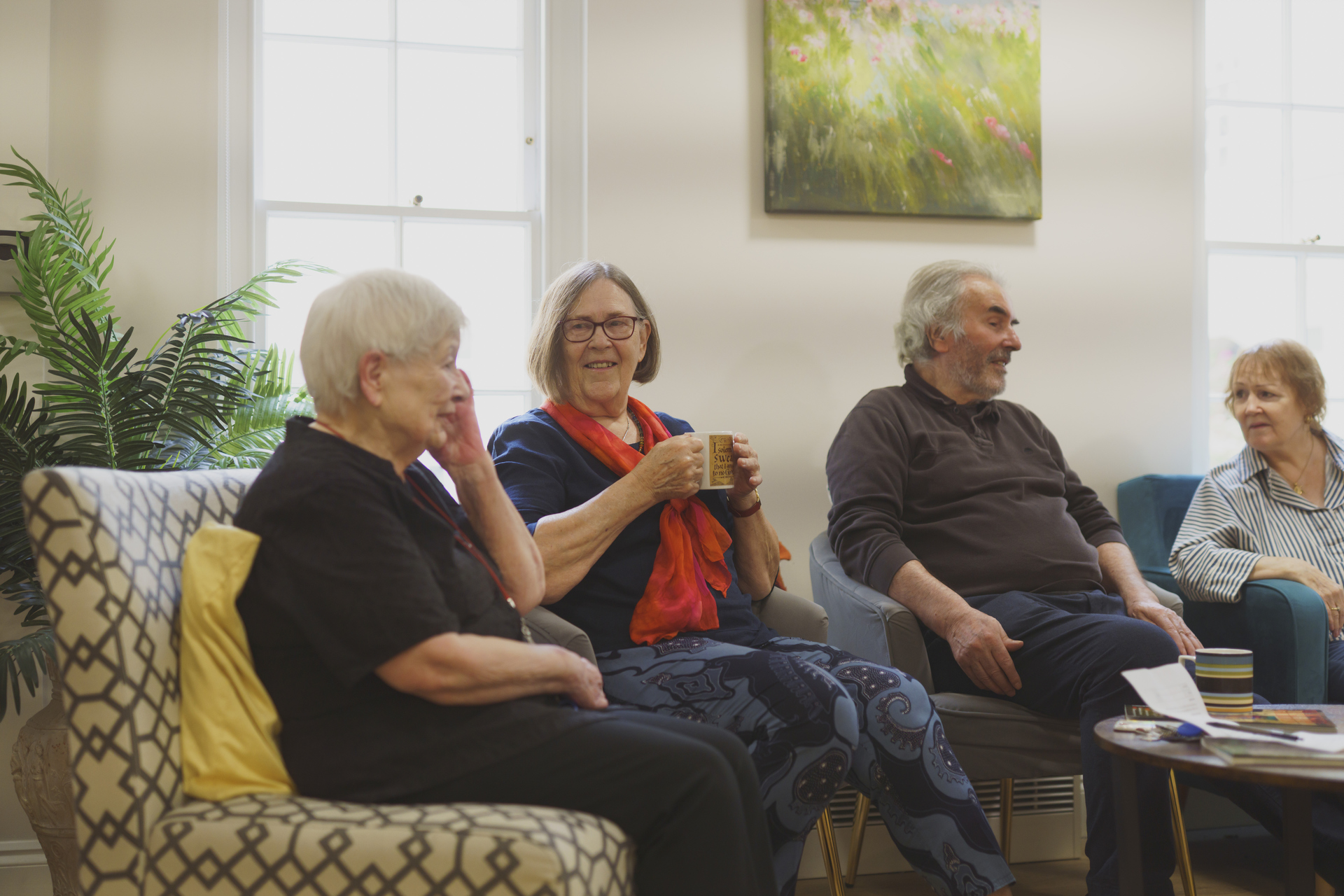
Sometimes, that can mean joining shared meals and creative activities or even going on trips together, but often it is the smaller moments, like a conversation in a communal space or a friendly check in that matter most. All of these interactions help create a sense of belonging and remind people they remain connected to the community around them.
There is also growing recognition that communities themselves can act as a form of preventative care. Older people who feel socially connected are less likely to experience chronic loneliness and are often more resilient during periods of ill health or change. In this way, community is not simply about companionship; it can have a lasting impact on overall quality of life.
Creating opportunities to foster that sense of connection is central to how St John’s almshouse communities support residents to live well for longer.
As the UK’s population continues to age, conversations around later life need to go beyond healthcare and focus on a more holistic approach to living. . Ageing well is not only about living longer; it is about continuing to feel valued and visible in the place you call home, and community can help us do just that.